
How To Improve Indoor Air Quality? 12 Simple Ways To Breathe Cleaner Air At Home
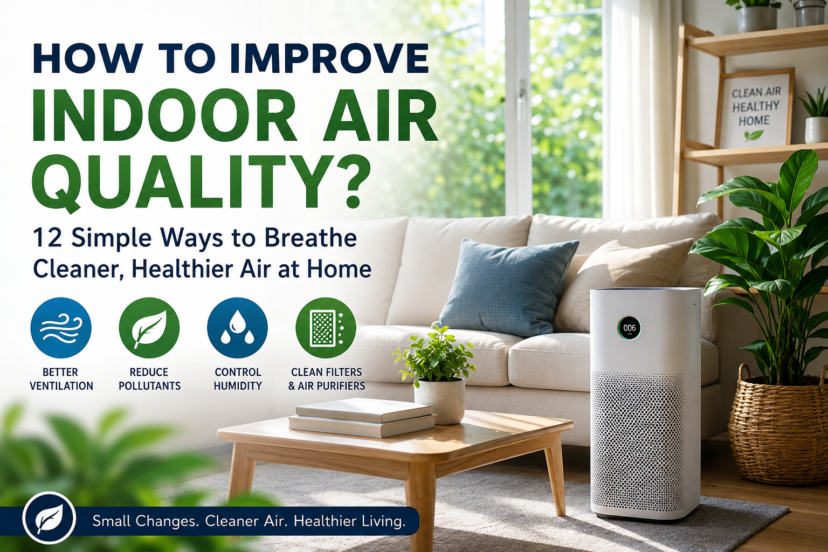
How to improve indoor air quality? Indoor air quality affects far more than comfort. The air inside your home can influence allergies, asthma symptoms, sleep quality, odors, humidity, and even the lifespan of your home itself. If you’ve noticed more dust, musty smells, frequent sneezing, or stale air, improving your indoor environment may be easier than you think.
If you’ve been wondering how to improve indoor air quality, you’re not alone. According to the U.S. Environmental Protection Agency (EPA), indoor air can sometimes contain higher concentrations of pollutants than outdoor air because contaminants become trapped inside modern, energy-efficient homes. Everyday activities like cooking, cleaning, burning candles, using household chemicals, and even bringing dirt inside on your shoes all contribute to indoor pollution.
Fortunately, improving indoor air quality doesn’t always require expensive equipment or major renovations. Small changes—such as increasing ventilation, replacing HVAC filters regularly, controlling indoor humidity, and reducing sources of pollutants—can make a noticeable difference. Whether you’re trying to reduce allergy symptoms, eliminate unpleasant odors, or simply create a healthier living space for your family, understanding the causes of poor indoor air quality is the first step toward cleaner, fresher air.
⭐ Quick Answer: How To Improve Indoor Air Quality
The best way to improve indoor air quality is to reduce indoor pollutants while increasing fresh air circulation. Replace HVAC filters regularly, keep humidity between 30% and 50%, vacuum with a HEPA filter, use kitchen and bathroom exhaust fans, clean regularly, avoid excessive chemical products, and consider a portable HEPA air purifier if needed. Address moisture problems quickly to help prevent mold growth.
Key Takeaways
Most likely cause: Dust buildup, poor ventilation, excess humidity, pet dander, cooking pollutants, or dirty HVAC filters.
Usually serious? Not usually, but prolonged poor indoor air quality may worsen allergies, asthma, headaches, and respiratory irritation.
First thing to check: Inspect your HVAC filter, check indoor humidity levels, and identify areas with poor airflow or moisture.
Best solution: How to improve indoor air quality starts with better ventilation, regular cleaning, humidity control, fresh HVAC filters, and reducing indoor pollution sources.
🏡 Why This Happens – How To Identify The Problem
Modern homes are designed to conserve energy by sealing gaps and preventing outside air from entering. While this improves efficiency, it also traps pollutants indoors.
Common signs of poor indoor air quality include:
- Persistent musty or stale odors
- Excessive dust accumulation
- Frequent allergy symptoms indoors
- Eye, nose, or throat irritation
- Headaches that improve after leaving home
- Condensation on windows
- Visible mold growth
- High indoor humidity
- Increased asthma flare-ups
- Lingering cooking or pet odors
If several of these signs occur together, your home’s air quality likely needs improvement.
1. Dirty HVAC Filters
Your HVAC filter captures dust, pollen, pet hair, and airborne particles.
When clogged, it:
- Restricts airflow
- Reduces system efficiency
- Allows more dust to circulate
- Makes the HVAC system work harder
How To Confirm The Cause
Remove the filter.
If it’s gray, clogged, or covered in dust, it’s time for replacement.
2. Poor Ventilation
Fresh outdoor air helps dilute indoor pollutants.
Homes with limited ventilation often accumulate:
- VOCs
- Carbon dioxide
- Cooking smoke
- Odors
- Moisture
How To Confirm The Cause
Notice whether the house feels stuffy or air seems fresher after opening windows.
3. Excess Indoor Humidity
Too much moisture encourages:
- Mold
- Mildew
- Dust mites
- Musty odors
Ideal indoor humidity is 30–50%.
How To Confirm The Cause
Use an inexpensive digital hygrometer.
Humidity consistently above 60% usually needs attention.
4. Dust And Allergens
Dust contains:
- Skin cells
- Fabric fibers
- Pollen
- Pet dander
- Dust mites
It builds up quickly in neglected areas.
How To Confirm The Cause
Dust returns only a day or two after cleaning, especially on furniture and vents.
5. Pet Dander
Even clean pets shed:
- Dander
- Hair
- Allergens
These remain airborne for hours.
How To Confirm The Cause
Symptoms worsen after spending time near pets or upholstered furniture.
6. Cooking Without Exhaust Fans
Cooking releases:
- Grease particles
- Smoke
- Moisture
- Combustion gases (with gas stoves)
Without ventilation, these pollutants linger.
How To Confirm The Cause
Kitchen odors remain long after meals.
7. Household Cleaning Chemicals
Many cleaners release volatile organic compounds (VOCs).
Common sources include:
- Air fresheners
- Aerosol sprays
- Paint
- Solvents
- Strong disinfectants
How To Confirm The Cause
You notice headaches or irritation after cleaning.
8. Mold Growth
Hidden mold often develops around:
- Bathrooms
- Basements
- Crawl spaces
- Attics
- Water leaks
How To Confirm The Cause
Look for:
- Black or green spots
- Musty smells
- Water stains
- Damp materials
9. Smoking And Candles
Tobacco smoke and scented candles release fine particles that linger in indoor air.
How To Confirm The Cause
Persistent smoky or scented odors remain even after ventilation.
10. Dirty Air Ducts
Although ducts don’t always require cleaning, excessive dust, remodeling debris, or pest infestations can contribute to poor air circulation.
How To Confirm The Cause
Inspect supply vents using a flashlight.
Heavy debris or unusual buildup may indicate a problem.
🔍 How To Confirm The Cause
If you’re unsure what’s affecting your indoor air, work through these simple checks:
- Replace the HVAC filter.
- Measure indoor humidity.
- Inspect for visible mold.
- Open windows for several days and monitor improvements.
- Check exhaust fans for proper operation.
- Vacuum using a HEPA-equipped vacuum cleaner.
- Look for water leaks.
- Observe whether symptoms improve outside the home.
These steps often identify the primary contributors.
🛠️ How To Fix It
Improving indoor air quality usually involves addressing several small issues rather than one major problem.
Replace HVAC Filters
Install quality filters recommended for your HVAC system.
Most should be replaced every 1–3 months depending on:
- Pets
- Allergies
- Dust levels
- System usage
Improve Ventilation
Whenever weather permits:
- Open windows
- Run ceiling fans
- Use bathroom exhaust fans
- Use kitchen range hoods while cooking
Fresh air helps dilute pollutants.
Control Humidity
Maintain humidity between 30% and 50%.
Use:
- Dehumidifiers in damp areas
- Air conditioning
- Bathroom exhaust fans
- Prompt leak repairs
Vacuum Regularly
Vacuum carpets, rugs, and upholstery at least weekly.
A vacuum with a HEPA filter captures much smaller particles.
Dust Correctly
Instead of dry dusting:
- Use microfiber cloths
- Dust from top to bottom
- Wash reusable cloths frequently
This prevents particles from becoming airborne again.
Reduce Chemical Pollutants
Choose lower-VOC products whenever possible.
Avoid excessive use of:
- Aerosol sprays
- Artificial fragrances
- Strong solvents
Store paints and chemicals in detached garages if possible.
Consider A HEPA Air Purifier
Portable HEPA air purifiers can help reduce:
- Dust
- Pollen
- Pet dander
- Smoke particles
They work best in rooms where you spend the most time.
Keep Floors Cleaner
Shoes track in:
- Dirt
- Pesticides
- Bacteria
- Pollen
Using a no-shoes policy significantly reduces contaminants.
Maintain Your HVAC System
Annual maintenance helps ensure:
- Better airflow
- Cleaner coils
- Efficient operation
- Proper filtration
👷 When To Call A Professional
Professional help may be appropriate if you notice:
- Persistent mold growth
- Recurring moisture problems
- Strong chemical odors
- Unexplained respiratory symptoms
- Suspected carbon monoxide exposure
- HVAC systems that perform poorly
- Major water damage
- Air quality problems that don’t improve after basic maintenance
A qualified HVAC contractor or indoor air quality specialist can identify hidden issues.
🛡️ How To Prevent It
Preventing poor indoor air quality is easier than correcting long-term problems.
Good habits include:
- Change HVAC filters regularly.
- Keep indoor humidity between 30% and 50%.
- Vacuum weekly.
- Dust with microfiber cloths.
- Fix leaks immediately.
- Use kitchen exhaust fans while cooking.
- Run bathroom fans after showers.
- Reduce clutter that collects dust.
- Avoid smoking indoors.
- Schedule annual HVAC maintenance.
- Keep air returns and supply vents unobstructed.
- Clean spills and moisture promptly.
Small maintenance routines help maintain cleaner air year-round.
❓ Frequently Asked Questions
How often should I change my HVAC filter?
Most filters should be replaced every 1 to 3 months, although homes with pets, allergies, or heavy HVAC use may require more frequent replacement.
Are air purifiers worth buying?
A quality HEPA air purifier can reduce airborne particles, especially in bedrooms and living rooms. It works best alongside regular cleaning and proper ventilation.
What humidity level is healthiest indoors?
Most experts recommend maintaining indoor humidity between 30% and 50% for comfort and to discourage mold and dust mites.
Do houseplants improve indoor air quality?
Houseplants can be attractive but generally have only a small effect on overall indoor air quality in a typical home. Proper ventilation and filtration have a much greater impact.
Can poor indoor air quality make you sick?
Yes. Poor indoor air quality may contribute to allergies, asthma symptoms, headaches, eye irritation, coughing, and respiratory discomfort, particularly for sensitive individuals.
🏠 Related Home Problems
If you’re experiencing poor indoor air quality, you may also want to investigate:
- Why is my house so dusty?
- Why is my house humid?
- Why does my bedroom smell?
- Why does my house feel stuffy?
- Why does my bathroom stay humid?
- Why does my house feel stuffy?
- Condensation on windows
- Why does my house smell musty?
Many of these problems share common causes, including excess moisture, inadequate ventilation, and HVAC maintenance issues.
🎯 Conclusion: How To Improve Indoor Air Quality
Improving indoor air quality is one of the most effective ways to create a healthier, more comfortable home. While no single solution fixes every problem, combining better ventilation, regular cleaning, proper humidity control, fresh HVAC filters, and routine maintenance can significantly reduce indoor pollutants. By identifying the underlying causes and taking consistent preventive steps, you’ll not only enjoy cleaner air but may also improve your home’s comfort, energy efficiency, and overall indoor environment for years to come.
Disclaimer: This article is for informational and educational purposes only and should not be considered professional medical, environmental, or HVAC advice. If you suspect dangerous indoor air contaminants, carbon monoxide, extensive mold growth, or serious ventilation issues, consult a qualified HVAC technician, indoor air quality specialist, or other appropriate professional for a thorough inspection and recommendations.


Comments are closed.