
Why Is My House So Cold? 11 Common Reasons And Easy Solutions
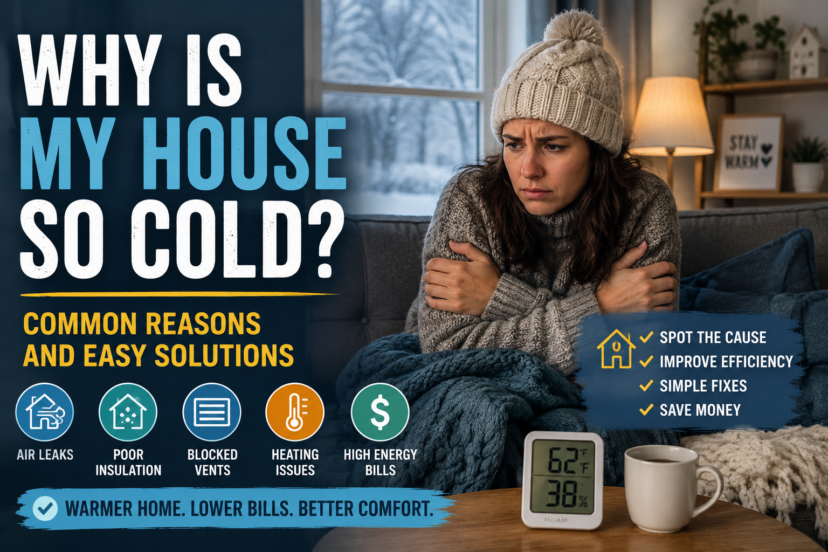
Have you ever asked yourself, why is my house so cold, even when the heating system is running? You’re not alone. Many homeowners struggle with chilly rooms, cold floors, uncomfortable drafts, and uneven temperatures throughout the home, especially during winter. While turning up the thermostat might seem like the obvious solution, it often doesn’t address the real problem.
A house can feel cold for many reasons, ranging from poor insulation and air leaks to blocked vents, aging HVAC equipment, or improperly sealed windows and doors. Fortunately, most of these issues can be identified without specialized equipment and corrected with practical improvements that increase comfort while lowering energy costs.
This guide explains the most common reasons your house feels cold, how to identify the underlying cause, and the best solutions to keep your home warm, energy-efficient, and comfortable all year long.
🔥 Quick Answer: Why Is My House So Cold?
If you’re wondering why is my house so cold, the most likely causes include poor insulation, air leaks around doors and windows, blocked HVAC vents, dirty furnace filters, insufficient attic insulation, or an underperforming heating system. Improving insulation, sealing drafts, maintaining your HVAC system, and increasing airflow usually restore comfort and improve energy efficiency.
Key Takeaways
Most Likely Cause: Heat is escaping through poor insulation, air leaks, or an inefficient heating system.
Usually Serious? Usually not, but persistent cold may indicate insulation problems, HVAC issues, or hidden air leaks that increase energy bills.
First Thing To Check: Inspect your thermostat, HVAC filter, air vents, windows, doors, and attic insulation.
Best Solution: If you’re asking why is my house so cold, improve insulation, seal air leaks, maintain your heating system, and ensure warm air can circulate throughout the home.
🏠 Why This Happens: How To Identify The Problem
A comfortable home depends on balancing heat production with heat retention. Even a powerful furnace cannot keep your home warm if heated air continually escapes or fails to circulate properly.
Heat naturally moves from warm areas to colder ones. During winter, warm indoor air constantly tries to escape through walls, ceilings, windows, doors, floors, and even tiny gaps around electrical outlets or plumbing penetrations.
Common signs include:
- Cold floors
- Drafts near windows
- Uneven room temperatures
- Cold upstairs or downstairs
- Furnace running constantly
- High heating bills
- Cold exterior walls
- Rooms that never fully warm up
Understanding where the heat is escaping makes it much easier to choose the right solution.
❄️ The 11 Most Common Causes Of A Cold House
1. Poor Attic Insulation
One of the biggest reasons homes lose heat is inadequate attic insulation.
Because warm air naturally rises, an under-insulated attic allows valuable heat to escape through the roof.
Common signs:
- Snow melting unevenly
- Cold ceilings
- High heating costs
- Ice dams
2. Air Leaks Around Windows And Doors
Small gaps around windows and doors allow cold outdoor air inside while letting heated air escape.
Watch for:
- Drafts
- Curtains moving slightly
- Cold window frames
- Light visible around doors
Weatherstripping and caulk often solve these problems quickly.
3. Dirty Furnace Filter
A clogged HVAC filter restricts airflow.
When airflow decreases:
- Rooms warm more slowly
- Some rooms remain cold
- The furnace works harder
- Energy bills increase
Replace disposable filters every 1–3 months.
4. Blocked Or Closed Air Vents
Furniture, rugs, or closed dampers reduce airflow into rooms.
Inspect every supply register and return vent to ensure they remain open and unobstructed.
5. Poor Wall Insulation
Older homes often contain little or no wall insulation.
Heat escapes rapidly through poorly insulated exterior walls.
Signs include:
- Cold walls
- Cold rooms near exterior walls
- Uneven temperatures
6. Leaky Ductwork
Heated air may never reach your living space if ductwork leaks inside attics, crawl spaces, or basements.
Warning signs include:
- Weak airflow
- Cold rooms
- Dust around duct joints
- Higher utility bills
7. Thermostat Problems
Sometimes the heating system isn’t the problem—the thermostat is.
Possible issues:
- Incorrect settings
- Dead batteries
- Poor placement
- Calibration errors
A thermostat near sunny windows or heat-producing appliances may read incorrect temperatures.
8. Aging Or Undersized Heating System
As furnaces age, efficiency declines.
An undersized heating system may also struggle during extremely cold weather.
Signs include:
- Constant operation
- Uneven heating
- Frequent repairs
- Rising energy bills
9. Poor Air Circulation
Warm air needs to move throughout the home.
Poor circulation often occurs because of:
- Closed interior doors
- Lack of ceiling fans
- Furniture blocking airflow
- Multi-story homes
Running ceiling fans clockwise during winter helps push warm air downward.
10. Cold Crawl Space Or Basement
Unconditioned crawl spaces and basements allow cold air beneath your floors.
This often causes:
- Cold flooring
- Chilly first-floor rooms
- Higher heating costs
Proper insulation and moisture control improve comfort significantly.
11. Single-Pane Or Older Windows
Older windows transfer heat much faster than modern energy-efficient windows.
Cold glass also creates uncomfortable radiant cooling, making rooms feel colder even when the thermostat reads normally.
✅ How To Confirm The Cause
Start with a simple home inspection.
Check:
- Furnace filter
- Thermostat settings
- Supply vents
- Window drafts
- Door weatherstripping
- Attic insulation
- Crawl space
- Basement
- HVAC airflow
Walk through your home on a cold day.
Pay attention to:
- Cold walls
- Drafty windows
- Uneven temperatures
- Cold floors
- Rooms that never warm completely
An inexpensive infrared thermometer can also help identify heat loss around walls, ceilings, and windows.
🛠️ How To Fix A Cold House
The right solution depends on the source of the heat loss.
Improve Insulation
Focus on:
- Attic insulation
- Wall insulation
- Crawl space insulation
- Basement insulation
Adding insulation often delivers one of the highest returns on investment.
Seal Air Leaks
Use:
- Weatherstripping
- Caulk
- Door sweeps
- Expanding foam around utility penetrations
Small gaps can add up to significant heat loss.
Replace HVAC Filters
Install clean filters regularly to maximize airflow.
Improve Airflow
- Open all supply vents.
- Keep return vents clear.
- Rearrange furniture blocking registers.
- Use ceiling fans on low speed in winter.
Maintain Your Heating System
Schedule annual furnace maintenance to ensure:
- Safe operation
- Maximum efficiency
- Reliable heating
Upgrade Older Windows
If replacement isn’t practical, consider:
- Window insulation film
- Thermal curtains
- Draft stoppers
These affordable improvements reduce heat loss.
👷 When To Call A Professional
Contact an HVAC or insulation specialist if:
- Your furnace won’t keep up
- Certain rooms stay cold year-round
- Utility bills suddenly increase
- Airflow is consistently weak
- Ductwork appears damaged
- Ice dams form repeatedly
- Insulation appears insufficient
- Heating equipment frequently cycles on and off
Professional energy audits can identify hidden sources of heat loss.
🛡️ How To Prevent Your House From Feeling Cold
Routine maintenance helps maintain indoor comfort.
Good habits include:
- Replace HVAC filters every 1–3 months.
- Schedule annual furnace service.
- Inspect weatherstripping yearly.
- Seal new air leaks promptly.
- Keep attic insulation up to recommended levels.
- Clean heating vents regularly.
- Use programmable thermostats efficiently.
- Monitor indoor humidity during winter.
- Keep furniture away from air vents.
- Check crawl spaces and basements for insulation issues.
Preventive care improves comfort while lowering heating costs.
❓ Frequently Asked Questions
1. Why Is My House Cold Even With The Heat On?
Poor insulation, blocked vents, air leaks, or an underperforming heating system often prevent warm air from reaching every room.
2. Why Is One Room Much Colder Than The Others?
Blocked vents, poor insulation, duct leaks, or inadequate airflow commonly affect individual rooms.
3. Can Poor Insulation Increase Heating Bills?
Yes. Heat escaping through poorly insulated walls, attics, and floors forces your heating system to run longer.
4. Should I Replace My Furnace If My House Feels Cold?
Not necessarily. Many comfort issues are caused by insulation or airflow problems rather than furnace failure.
5. How Warm Should My House Be In Winter?
Most homeowners find indoor temperatures between 68°F and 70°F comfortable while balancing energy efficiency.
6. Can Ceiling Fans Help During Winter?
Yes. Running ceiling fans clockwise on low speed pushes warm air back down into the living space.
7. Is It Worth Getting A Home Energy Audit?
Absolutely. Professional energy audits can identify hidden insulation gaps, air leaks, and HVAC inefficiencies that are difficult to detect yourself.
🏡 Related Home Problems
If your home feels unusually cold, you may also want to read:
- Why Is One Room Colder Than The Others?
- Why Is My House Hotter Upstairs?
- Why Does My House Feel Stuffy?
- Why Is My House So Humid?
- How To Improve Indoor Air Quality
- Why Are My Windows Sweating?
- Condensation On Windows
- Why Does My House Smell Musty?
Many of these issues are connected through insulation, airflow, ventilation, and moisture management.
📌 Final Thoughts On Why Is My House So Cold?
If your house constantly feels cold, the problem is often more than simply turning up the thermostat. Heat loss through insulation gaps, air leaks, inefficient airflow, or heating system issues can leave your home uncomfortable while driving up utility bills.
Fortunately, many solutions are affordable and straightforward. By improving insulation, sealing drafts, maintaining your HVAC system, and addressing airflow problems, you can create a warmer, healthier, and more energy-efficient home. If simple improvements don’t solve the issue, a professional HVAC technician or energy auditor can identify hidden problems and recommend lasting solutions.
Disclaimer
This article is intended for informational purposes only and should not replace professional HVAC, insulation, or building science advice. Every home is unique, and heating performance can vary depending on climate, construction, and system design. If your home remains excessively cold, your heating system is malfunctioning, or you suspect significant insulation or structural problems, consult a qualified HVAC contractor or home energy professional for a complete evaluation.


Comments are closed.