Why Does My House Smell After Rain? 11 Common Causes And What It Could Mean
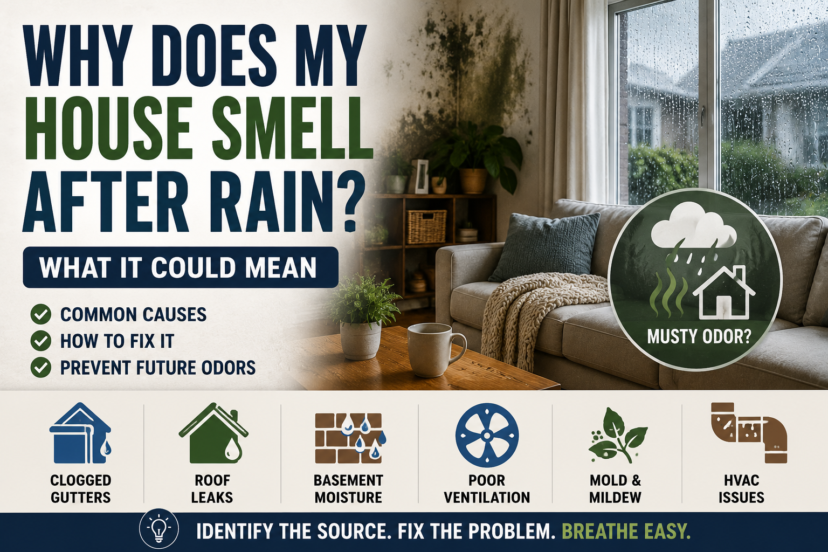
If you’ve ever noticed a strange musty, earthy, or damp odor filling your home after a rainstorm, you’re probably asking yourself, why does my house smell after rain? This is a surprisingly common issue that affects homeowners in every climate, and while the smell may disappear once everything dries out, it shouldn’t be ignored.
Rain often exposes hidden moisture problems that normally go unnoticed. Water can seep into crawl spaces, basements, attics, or wall cavities, while increased humidity may amplify odors that were already present. Sometimes the cause is as simple as wet soil near the foundation, but in other cases it can indicate roof leaks, plumbing issues, mold growth, or poor drainage.
The good news is that most rain-related odors have identifiable causes and effective solutions. This guide explains why your house smells after rain, how to determine where the odor is coming from, and practical steps to keep your home fresh, dry, and comfortable.
💡 Quick Answer: Why Does My House Smell After Rain
If you’re wondering why does my house smell after rain, the most common causes include excess humidity, mold or mildew, roof leaks, damp crawl spaces, basement moisture, clogged gutters, poor drainage, or wet HVAC components. Identifying where moisture is entering your home is the key to eliminating the odor and preventing future problems.
Key Takeaways
Most likely cause: Excess moisture from rain, high humidity, roof or plumbing leaks, damp crawl spaces or basements, or hidden mold and mildew are the most common reasons a house smells after rainfall.
Usually serious? No. Many rain-related odors can be resolved by improving drainage, ventilation, and moisture control. However, recurring smells after every rainfall may indicate hidden water damage, mold growth, or leaks that should be professionally inspected.
First thing to check: Inspect the areas where the odor is strongest, such as the basement, crawl space, attic, around windows, or near HVAC vents. Look for damp materials, water stains, or signs of leaks after it rains.
Best solution: Find and eliminate the source of moisture by repairing leaks, improving drainage, reducing indoor humidity to 30%–50%, cleaning HVAC components, and drying damp areas quickly to prevent mold and mildew from developing.
🌧️ Why This Happens
Rain naturally increases outdoor humidity and introduces moisture around your home’s exterior.
If your home has even small openings, poor drainage, hidden leaks, or damp building materials, that extra moisture can trigger odors that aren’t noticeable during dry weather.
Common odor-producing materials include:
- Damp wood
- Wet insulation
- Mold spores
- Mildew
- Dust
- Organic debris
- Damp carpeting
Rain itself isn’t creating the smell—it simply reveals moisture problems that already exist.
🏠 Most Common Causes Of House Smells After Rain
1. Mold Or Mildew Growth
Mold and mildew thrive in damp environments.
Rain increases humidity, making existing mold colonies release stronger odors.
The smell is often described as:
- Musty
- Earthy
- Damp
- Stale
2. Roof Leaks
Small roof leaks may not produce visible water stains immediately.
Instead, rainwater dampens insulation, drywall, or wood framing, creating unpleasant smells long before major damage appears.
3. Crawl Space Moisture
Many homes develop damp crawl spaces after heavy rain.
Moisture rises upward into living areas, carrying musty odors throughout the house.
4. Basement Dampness
Basements are naturally prone to moisture problems.
After rainfall, groundwater pressure can increase, allowing additional moisture to enter through small cracks in walls or floors.
5. Poor Exterior Drainage
If rainwater pools around your home’s foundation, moisture may slowly seep inside.
Improper grading often contributes to this problem.
6. Clogged Gutters
Overflowing gutters allow water to collect near exterior walls and the foundation.
Over time, this moisture can lead to damp building materials and unpleasant odors.
7. Wet HVAC Components
Your HVAC system may circulate musty odors if:
- The condensate drain is clogged.
- The evaporator coil stays wet.
- Mold develops inside ductwork.
Rainy weather can make these smells more noticeable.
8. Damp Carpets Or Flooring
Moisture entering through doors, windows, or foundations can soak into carpet padding or hardwood flooring.
Even slight dampness may produce lingering odors.
9. Window Or Door Leaks
Worn seals around windows and exterior doors sometimes allow rainwater inside.
Repeated moisture exposure may eventually cause hidden mold.
10. Wet Building Materials
Wood framing, drywall, insulation, and subfloors absorb moisture during leaks.
These materials can produce a noticeable odor before visible damage develops.
11. Sewer Vent Or Drain Issues
Heavy rain occasionally affects plumbing vent systems or floor drains.
If sewer gases enter the home, the odor is typically much stronger than ordinary mustiness and should be investigated promptly.
🔎 How To Confirm The Cause
Finding the source usually requires careful observation shortly after it rains.
Check for:
- Damp carpeting
- Water stains
- Peeling paint
- Musty closets
- Basement moisture
- Condensation
- Soft drywall
- Wet insulation
Also pay attention to where the smell is strongest.
For example:
- Near windows?
- In the basement?
- Around HVAC vents?
- Near exterior walls?
- In the attic?
The location often reveals where moisture is entering.
🛠️ How To Fix The Problem
The right solution depends on the moisture source.
Repair Roof Leaks
Inspect shingles, flashing, roof penetrations, and attic spaces.
Even small leaks should be repaired quickly to prevent mold growth.
Improve Drainage
Keep water moving away from your home by:
- Extending downspouts
- Cleaning gutters
- Improving yard grading
- Installing drainage systems if necessary
Reduce Crawl Space Moisture
Consider:
- Vapor barriers
- Crawl space encapsulation
- Improved ventilation
- Drainage improvements
Dry Damp Areas Quickly
Use:
- Fans
- Dehumidifiers
- Proper ventilation
The faster materials dry, the less opportunity mold has to grow.
Clean HVAC Components
Replace dirty filters.
Have evaporator coils, drain lines, and ductwork inspected if musty odors come from air vents.
Seal Windows And Doors
Replace worn weatherstripping and caulk gaps where rainwater may enter.
Remove Mold Safely
Small surface mold may be cleaned using appropriate cleaning methods.
Large mold problems should be professionally remediated.
Monitor Indoor Humidity
Aim to keep indoor humidity between 30% and 50% using ventilation or dehumidifiers.
👷 When To Call A Professional
Some rain-related odors indicate hidden problems that require expert attention.
Contact a professional if:
- The smell returns after every rainfall.
- Mold continues spreading.
- Water stains appear on ceilings or walls.
- You suspect hidden leaks.
- The basement floods repeatedly.
- HVAC vents produce persistent musty odors.
- You notice structural damage or rotting wood.
- Sewer odors accompany heavy rain.
Prompt repairs can prevent much larger and more expensive problems.
🌿 How To Prevent Rain-Related Odors
Keeping moisture under control is the best long-term solution.
Helpful maintenance includes:
- Clean gutters twice each year.
- Extend downspouts away from the foundation.
- Repair roof damage promptly.
- Maintain proper attic ventilation.
- Inspect crawl spaces regularly.
- Seal windows and doors.
- Use dehumidifiers in damp areas.
- Replace HVAC filters regularly.
- Fix plumbing leaks immediately.
- Inspect your home after major storms.
Routine maintenance helps keep moisture—and odors—from becoming recurring problems.
❓ Frequently Asked Questions
Why Does My House Only Smell After It Rains?
Rain increases humidity and moisture, making hidden mold, damp building materials, or leaks much more noticeable than during dry weather.
Is A Musty Smell After Rain Always Mold?
Not necessarily. While mold is a common cause, damp wood, wet insulation, crawl spaces, HVAC systems, or standing water may also create musty odors.
Can Rain Cause Sewer Smells Inside The House?
Yes. Heavy rain can sometimes affect plumbing vent systems or floor drains, allowing sewer gases to enter the home. Persistent sewer odors should be inspected promptly.
Should I Be Concerned If The Smell Goes Away?
Yes. Even if the odor disappears once everything dries, the underlying moisture source may still exist and gradually worsen over time.
Can A Dehumidifier Solve The Problem?
A dehumidifier can reduce humidity and help minimize odors, but it won’t fix roof leaks, drainage problems, or other moisture sources causing the issue.
🏡 Related Home Problems
If your home smells after rain, you may also find these articles helpful:
- Why Does My House Smell Musty?
- Why Is My House So Humid?
- Why Does My Basement Smell Damp?
- Why Does My Bedroom Smell?
- Why Is My House So Dusty?
- Why Are My Windows Condensing?
- How To Improve Indoor Air Quality
- Why Does My HVAC Smell Musty?
🎯 Final Thoughts
If you’ve been asking why does my house smell after rain, the odor is usually a sign that moisture is finding its way into your home somewhere. While the smell itself may seem harmless, it often points to hidden issues that can lead to mold growth, structural damage, or reduced indoor air quality if left unresolved.
By identifying where moisture is entering, improving drainage and ventilation, and addressing leaks promptly, you can eliminate the odor at its source and protect your home from more serious problems in the future.
Disclaimer: This article is intended for informational and educational purposes only. Every home’s construction and moisture conditions are different. If you suspect significant mold growth, hidden water damage, roof leaks, plumbing failures, or structural issues, consult a qualified home inspector, mold remediation specialist, or licensed contractor for a professional evaluation and appropriate repairs.