
Why Is My HVAC Running Constantly? 11 Common Causes And Easy Fixes
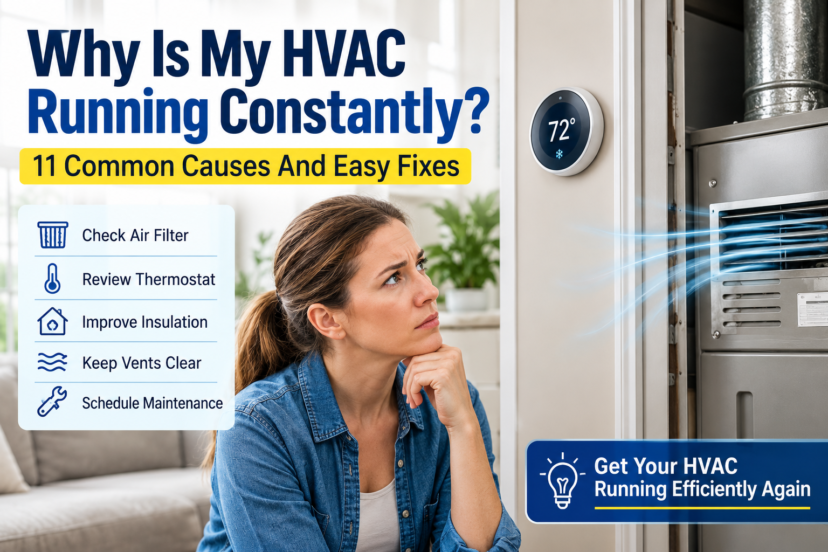
If you’ve been asking, why is my HVAC running constantly, you’re not alone. Many homeowners notice that their heating or cooling system seems to run all day without ever shutting off, especially during extremely hot summers or cold winters. While longer run times can sometimes be normal during severe weather, an HVAC system that rarely cycles off may be signaling an underlying issue. Dirty air filters, thermostat settings, low refrigerant, poor insulation, or an aging system can all force your HVAC to work harder than necessary.
The good news is that a constantly running HVAC system doesn’t always mean an expensive repair is around the corner. In many cases, simple maintenance or small home improvements can solve the problem. This guide explains the most common reasons your HVAC may be running nonstop, how to identify the cause, practical solutions you can try yourself, and when it’s time to call an HVAC professional.
⭐ Quick Answer: Why Is My HVAC Running Constantly
If you’re wondering why is my HVAC running constantly, the most common causes include extreme outdoor temperatures, dirty air filters, thermostat settings, poor insulation, refrigerant problems, dirty coils, leaky ductwork, or an HVAC system that’s too small for your home. While longer run times can be normal during extreme weather, continuous operation without reaching the desired temperature usually indicates an issue that should be investigated.
Key Takeaways
Most likely cause: A dirty air filter, extreme outdoor temperatures, poor insulation, or restricted airflow is forcing the HVAC system to run longer.
Usually serious? Not always. Some causes are simple maintenance issues, while others may require professional HVAC repairs.
First thing to check: Inspect the air filter, thermostat settings, supply vents, and whether the system can actually reach the desired indoor temperature.
Best solution: If you’re asking why is my HVAC running constantly, start with routine maintenance, improve airflow, seal air leaks, and schedule an HVAC inspection if the system still struggles to keep up.
🔍 Why This Happens – How To Identify The Problem
HVAC systems are designed to cycle on and off throughout the day. During each cycle, the equipment heats or cools your home until the thermostat reaches the desired temperature, then shuts off until it’s needed again.
When the system runs continuously, it usually means one of two things:
- The system is working harder than it should because something is restricting its performance.
- Your home is losing heated or cooled air faster than the HVAC can replace it.
The first step is determining whether the system is actually keeping your home comfortable.
Ask yourself:
- Does the home eventually reach the thermostat setting?
- Is the HVAC running only during very hot or cold weather?
- Have energy bills increased?
- Are some rooms much warmer or colder than others?
- Has routine maintenance been performed recently?
Answering these questions helps narrow down the cause.
🛠️ The 11 Most Common Causes
1. Dirty Air Filter
A clogged air filter is the most common reason HVAC systems run longer than normal.
Restricted airflow reduces heating and cooling efficiency, forcing the blower to operate longer.
How To Confirm
Remove the filter and inspect it. If it’s gray, clogged, or covered in dust, replace it.
2. Extreme Outdoor Temperatures
During heat waves or severe cold, even a properly functioning HVAC system may run for extended periods.
This is often completely normal.
How To Confirm
The system reaches the thermostat setting eventually but takes longer than usual during extreme weather.
3. Thermostat Set Too Low Or Too High
Setting the thermostat far below outdoor temperatures in summer—or excessively high in winter—can keep the system running almost nonstop.
How To Confirm
Review your thermostat settings and compare them with outdoor conditions.
4. Poor Home Insulation
Insufficient attic insulation, wall insulation, or air sealing allows conditioned air to escape quickly.
Your HVAC constantly works to replace that lost air.
How To Confirm
Rooms near exterior walls feel uncomfortable, and the home struggles to maintain temperature.
5. Air Leaks Around Doors And Windows
Drafts allow outdoor air to enter while conditioned air escapes.
Even small leaks increase HVAC workload.
How To Confirm
Feel for drafts around windows, doors, attic hatches, and electrical outlets.
6. Dirty Evaporator Or Condenser Coils
Indoor evaporator coils and outdoor condenser coils transfer heat efficiently only when clean.
Dirt acts as insulation, reducing performance.
How To Confirm
Outdoor condenser fins appear covered with dirt, leaves, or debris.
7. Low Refrigerant
Air conditioners with low refrigerant lose cooling capacity and often run continuously without reaching the thermostat setting.
Unlike fuel, refrigerant should never need regular refilling. Low levels usually indicate a leak.
How To Confirm
The home never cools properly despite continuous operation.
8. Blocked Supply Or Return Vents
Furniture, rugs, curtains, or closed vents restrict airflow.
Reduced airflow forces longer HVAC cycles.
How To Confirm
Walk through the home and verify that every vent remains fully open and unobstructed.
9. Leaky Ductwork
Conditioned air escaping into attics, crawl spaces, or basements reduces system efficiency.
The HVAC runs longer trying to compensate.
How To Confirm
Some rooms remain uncomfortable while others cool or heat normally.
10. HVAC System Is Too Small
An undersized HVAC system may never fully satisfy your home’s heating or cooling demands.
This commonly occurs after home additions or incorrect equipment sizing.
How To Confirm
The system has always struggled since installation.
11. Aging HVAC Equipment
Older systems naturally lose efficiency as components wear.
Even with proper maintenance, aging equipment often requires longer run times.
How To Confirm
Your HVAC system is 15–20 years old and repair frequency has increased.
✅ How To Confirm The Cause
Before calling for service, perform a few simple checks.
Inspect:
- HVAC air filter
- Thermostat settings
- Outdoor condenser unit
- Supply and return vents
- Indoor humidity
- Window and door drafts
- Recent utility bills
If the system cannot reach the thermostat setting after these checks, professional diagnosis is recommended.
🔧 How To Fix It
Many constantly running HVAC systems can be improved with simple maintenance.
Replace The Air Filter
Install a clean filter every one to three months depending on your household.
Homes with pets may require more frequent changes.
Adjust The Thermostat
Avoid setting unrealistic temperatures.
Recommended settings include:
- Summer: 76–78°F
- Winter: 68–70°F
Reasonable settings reduce system strain.
Improve Insulation
Better insulation reduces heat transfer and allows the HVAC system to cycle normally.
Focus on:
- Attics
- Exterior walls
- Crawl spaces
- Rim joists
Seal Air Leaks
Weatherstrip doors.
Caulk window gaps.
Seal penetrations around plumbing and electrical openings.
Clean The Outdoor Condenser
Turn off power before removing leaves, grass clippings, and debris from around the condenser.
Maintain at least two feet of clearance.
Schedule HVAC Maintenance
Professional maintenance typically includes:
- Coil cleaning
- Refrigerant testing
- Electrical inspection
- Airflow measurement
- Drain cleaning
- Blower inspection
Annual maintenance improves efficiency and extends equipment life.
👷 When To Call A Professional
Contact an HVAC technician if:
- The system never reaches the thermostat setting.
- Ice forms on refrigerant lines.
- Airflow becomes weak.
- Utility bills rise dramatically.
- Refrigerant leaks are suspected.
- Loud noises accompany operation.
- Frequent repairs become necessary.
Professional diagnostic equipment can identify airflow restrictions, refrigerant issues, electrical faults, and failing components.
🛡️ How To Prevent It
Routine maintenance greatly reduces excessive HVAC run times.
Helpful habits include:
- Replace air filters regularly.
- Schedule annual HVAC tune-ups.
- Keep vents open and unobstructed.
- Seal windows and doors.
- Improve attic insulation.
- Clean around the outdoor condenser.
- Use programmable or smart thermostats.
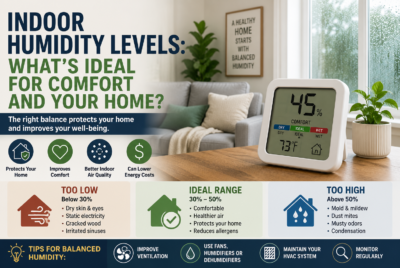
- Maintain indoor humidity between 30% and 50%.
Small maintenance tasks often produce noticeable energy savings.
❓ Frequently Asked Questions
Is it normal for my HVAC to run all day during summer?
During extremely hot weather, longer cooling cycles are normal. However, if your home never reaches the thermostat setting, the system may have a maintenance or mechanical problem.
Can a dirty air filter cause continuous HVAC operation?
Yes. A clogged filter restricts airflow, reducing efficiency and causing longer run times.
Does poor insulation affect HVAC performance?
Absolutely. Heat constantly entering or leaving your home forces the HVAC system to operate more frequently.
Can a smart thermostat reduce HVAC run time?
Yes. Smart thermostats optimize heating and cooling schedules, reducing unnecessary operation while maintaining comfort.
How often should HVAC maintenance be performed?
Most manufacturers and HVAC professionals recommend annual maintenance, ideally before the heating and cooling seasons begin.
🏡 Related Home Problems
If your HVAC is running constantly, you may also want to read:
- Why does my HVAC smell musty?
- Why does my house feel stuffy?
- Why is my house hotter upstairs?
- Why is one room colder than the others?
- Why is my house humid?
- How to improve indoor air quality?
- Why are my windows sweating?
- Why does my house smell musty?
Many of these issues are connected through airflow, insulation, ventilation, and HVAC performance.
🎯 Conclusion: Why Is My HVAC Running Constantly
A constantly running HVAC system is often a sign that something is preventing it from operating efficiently. While extreme weather can naturally extend run times, problems like dirty filters, poor insulation, air leaks, clogged coils, or refrigerant issues are far more common. Fortunately, many of these problems can be corrected with routine maintenance and simple home improvements. By addressing the issue early, you’ll improve comfort, reduce energy costs, extend the life of your HVAC equipment, and keep your home running more efficiently throughout every season.
Disclaimer
This article is intended for informational and educational purposes only and should not replace professional HVAC diagnosis or repair. If your HVAC system continues running constantly despite basic maintenance, or if you suspect refrigerant leaks, electrical problems, or mechanical failure, consult a licensed HVAC technician for a complete inspection and appropriate repairs.


Comments are closed.