
Why Are My Windows Sweating? Causes, Risks, And Fixes
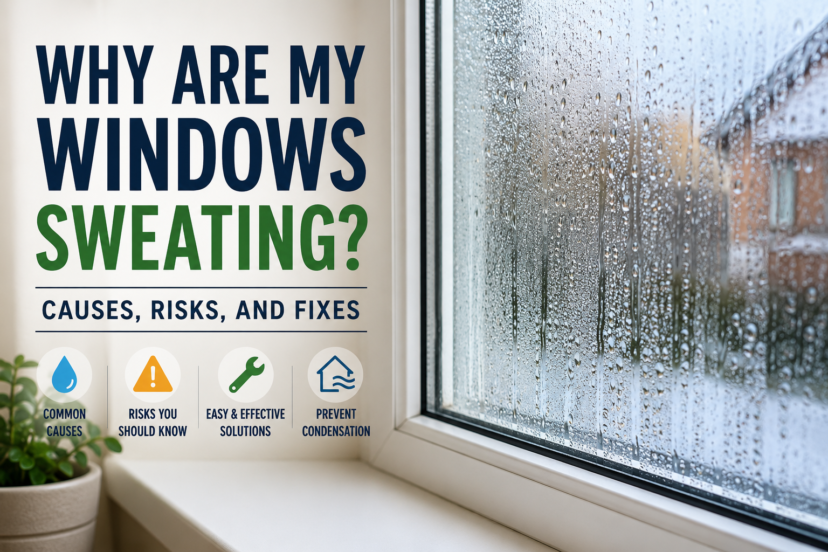
If you’ve been wondering, why are my windows sweating. you’re not alone. Window condensation is one of the most common home issues, especially during cold weather or periods of high indoor humidity. While a little moisture on your windows isn’t always a reason to worry, persistent sweating can lead to mold growth, water damage, peeling paint, and even damaged window frames if left untreated.
The good news is that sweaty windows are usually a symptom of conditions inside your home—not necessarily a sign that your windows are failing. Understanding what’s causing the condensation is the first step toward fixing it.
In this guide, you’ll learn why windows sweat, how to identify the underlying cause, simple ways to stop condensation, and when it may be time to call a professional.
🪟 Quick Answer: Why Are My Windows Sweating?
Windows sweat when warm, moisture-filled indoor air comes into contact with a colder window surface. As the warm air cools, it can no longer hold as much moisture, causing water droplets to form on the glass. High indoor humidity, poor ventilation, cold weather, or inefficient windows are usually responsible. Most cases can be improved by lowering indoor humidity and increasing airflow.
Key Takeaways
Most likely cause: High indoor humidity meeting cold window glass.
Usually serious? No. However, ongoing condensation can eventually cause mold, wood rot, and water damage.
First thing to check: Measure indoor humidity and look for rooms producing excess moisture.
Best solution: Reduce indoor humidity, improve ventilation, and increase air circulation around the windows.
🔍 Why This Happens: How To Identify The Problem
Window sweating is simply condensation. The same process happens when a cold drink “sweats” on a hot day.
Your home’s air always contains some moisture. When that warm, humid air touches a cold window surface, the temperature drops below the dew point, causing water vapor to turn into liquid droplets.
To identify the problem, ask yourself:
- Does condensation happen only in winter?
- Is it worse in bathrooms or kitchens?
- Does it appear in the morning?
- Is the moisture on the inside or outside of the glass?
- Is condensation trapped between two panes?
The answers help narrow down the cause.
🏠 The Most Common Causes Of Why Your Windows Are Sweating
1. High Indoor Humidity
This is by far the most common reason.
Daily activities release surprising amounts of moisture into your home’s air, including:
- Cooking
- Showering
- Drying clothes indoors
- Running humidifiers
- Houseplants
- Large families
- Aquariums
When humidity becomes too high, windows become the coolest surface in the room.
Signs:
- Condensation throughout the house
- Foggy bathroom mirrors
- Damp feeling indoors
- Mold around windows
2. Cold Outdoor Temperatures
During winter, window glass becomes much colder than your indoor air.
The bigger the temperature difference, the easier condensation forms.
This is why many homeowners only notice sweating windows during colder months.
3. Poor Ventilation
Without fresh airflow, humid air becomes trapped indoors.
Common causes include:
- Closed windows
- Blocked vents
- Poor attic ventilation
- Rarely using bathroom exhaust fans
- No kitchen range hood
Poor ventilation allows humidity levels to keep rising.
4. Energy-Efficient Homes
Modern homes are built to be extremely airtight.
While this reduces heating and cooling costs, it also traps moisture inside unless proper ventilation is installed.
Ironically, newer homes often experience more condensation than older drafty homes.
5. Inefficient Or Older Windows
Single-pane windows become much colder than double- or triple-pane windows.
Older windows often have:
- Poor insulation
- Worn seals
- Aluminum frames that conduct cold
These cold surfaces encourage condensation.
6. Using A Humidifier Too Much
Humidifiers improve comfort during dry weather, but overusing them can quickly raise indoor humidity.
If windows begin sweating after running a humidifier overnight, the humidity setting may be too high.
Aim for indoor humidity between 30% and 50% in most homes.
7. Furniture Blocking Airflow
Large furniture, heavy curtains, or blinds can block warm air from reaching the windows.
The glass stays colder, allowing moisture to collect.
This often affects:
- Bedrooms
- Living rooms
- Large picture windows
8. Condensation Between Double Panes
If moisture appears inside a double-pane window, the insulated seal has probably failed.
This isn’t normal condensation.
Instead, outside air has entered between the glass panes.
Signs include:
- Permanent fogging
- Water droplets inside the glass
- Cloudy appearance that won’t wipe away
The window may need repair or replacement.
9. New Construction Moisture
Brand-new homes often contain large amounts of moisture from:
- Concrete
- Drywall
- Paint
- Lumber
It can take several months for this moisture to fully dry out.
Temporary window condensation is common during this period.
10. Poor HVAC Air Circulation
Your heating system helps warm windows by circulating air.
If certain rooms receive poor airflow, window surfaces remain colder.
Possible causes include:
- Closed supply vents
- Dirty HVAC filters
- Weak blower performance
- Poor duct design
✅ How To Confirm The Cause
Try these simple checks:
- Measure indoor humidity using a digital hygrometer.
- Check whether condensation is inside, outside, or between the panes.
- Notice if it appears only after showers or cooking.
- Open curtains and blinds to improve airflow.
- Compare different rooms.
- Look for mold, peeling paint, or water stains near windows.
- Check whether exhaust fans are working properly.
These observations usually identify the source quickly.
🛠️ How To Fix Sweating Windows
Most homeowners can solve the problem without replacing their windows.
Lower Indoor Humidity
Reduce humidity by:
- Running bathroom fans during and after showers
- Using kitchen exhaust fans
- Avoiding indoor clothes drying
- Limiting humidifier use
- Fixing plumbing leaks
Improve Ventilation
Increase fresh air by:
- Opening windows occasionally
- Using ceiling fans
- Installing mechanical ventilation if needed
- Running HVAC systems regularly
Increase Airflow Around Windows
Keep warm air moving by:
- Opening blinds during the day
- Moving furniture away from windows
- Keeping HVAC vents unobstructed
Use A Dehumidifier
If indoor humidity regularly exceeds 50%, a dehumidifier can make a significant difference.
This is especially helpful in:
- Basements
- Older homes
- Humid climates
Upgrade Older Windows
If your windows are single-pane or have failed seals, replacing them with modern energy-efficient windows may greatly reduce condensation while lowering heating and cooling costs.
Maintain Your HVAC System
Replace air filters regularly and have your heating system serviced to maintain proper airflow throughout the home.
👷 When To Call A Professional
While occasional condensation is normal, professional help is recommended if you notice:
- Moisture trapped between glass panes
- Mold growing around windows
- Rotting wood frames
- Persistent condensation despite lowering humidity
- Water damage to drywall
- Drafty or damaged windows
- Structural moisture problems
A window contractor or home inspector can determine whether the issue involves humidity, insulation, ventilation, or failing windows.
🌬️ How To Prevent Sweating Windows
Prevention is usually easier than dealing with mold or water damage later.
Good habits include:
- Keep indoor humidity between 30% and 50%.
- Always use bathroom and kitchen exhaust fans.
- Replace HVAC filters regularly.
- Open blinds during the day.
- Maintain good airflow around windows.
- Repair leaks promptly.
- Service your HVAC system annually.
- Consider upgrading older windows.
These simple steps greatly reduce condensation throughout the year.
❓ Frequently Asked Questions
Why do my windows sweat only in winter?
Cold outdoor temperatures cool the glass enough for indoor moisture to condense on it. This is the most common time of year for window sweating.
Is window condensation dangerous?
Not usually. However, persistent moisture can eventually lead to mold, wood rot, damaged paint, and water stains if ignored.
Should I wipe condensation off my windows?
Yes. Removing moisture helps prevent mold and protects wooden window frames while you work on fixing the underlying cause.
Is condensation outside my windows a problem?
No. Exterior condensation often means your windows are well insulated because the outside glass remains cool.
Can a dehumidifier stop sweaty windows?
Yes. Lowering indoor humidity is one of the most effective ways to reduce condensation on windows.
Does replacing windows always solve the problem?
Not always. If indoor humidity remains too high, even new windows can develop condensation. Address humidity and ventilation first.
🔗 Related Home Problems
If you’re dealing with sweaty windows, you may also find these home issues related:
- Why is my house so humid?
- Condensation on windows: what causes it?
- Why does my house smell musty?
- Why is one room colder than the others?
- Why does my house smell after rain?
- Why is my house so dusty?
- Why does my bedroom smell
- Why are my windows always dirty inside?
🏡 Final Thoughts
If you’ve been asking why are my windows sweating, the answer is usually straightforward: warm, humid indoor air is condensing on cold glass. In most homes, this isn’t a window defect but a sign that indoor humidity is higher than it should be or airflow is limited.
Fortunately, the solution is often simple. By lowering indoor humidity, improving ventilation, increasing air circulation, and maintaining your HVAC system, you can greatly reduce condensation and protect your home from mold and water damage. If moisture appears between window panes or condensation continues despite your efforts, it’s worth having your windows inspected by a professional.
Disclaimer: This article is for general informational purposes only and should not be considered professional home inspection, building, or HVAC advice. If you have significant water damage, mold, structural concerns, or suspect window failure, consult a qualified home improvement professional for an inspection and appropriate repairs.




Comments are closed.