Why Is My Crawl Space Damp? 11 Common Causes And How To Fix It
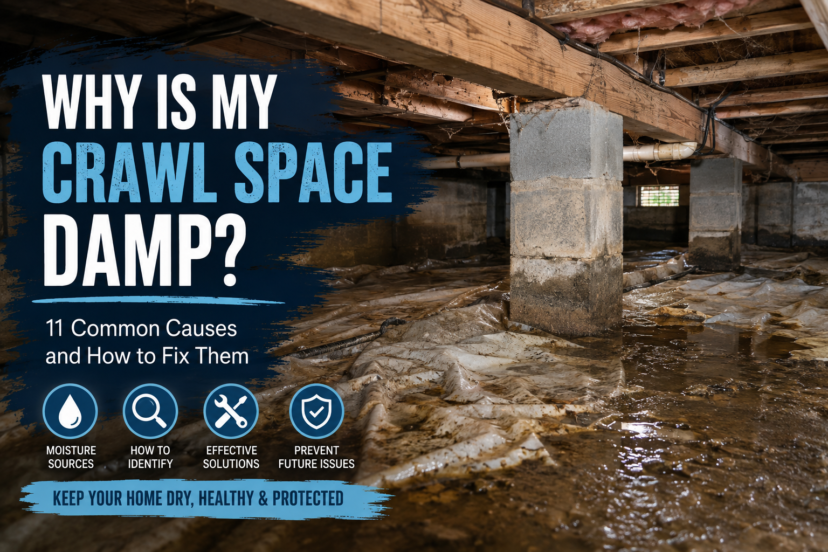
A damp crawl space usually results from a combination of ground moisture, poor exterior drainage, humid outdoor air, and plumbing or HVAC leaks. Have you ever wondered, “Why is my crawl space damp?” even when it hasn’t rained recently? A damp crawl space is one of the most common hidden problems homeowners face, yet it often goes unnoticed until mold, musty odors, wood damage, or high indoor humidity begin affecting the rest of the house.
Because the crawl space sits directly beneath your home, excess moisture can easily migrate upward through floors and walls. Over time, this can contribute to mold growth, wood rot, pest infestations, poor indoor air quality, and even structural issues if left untreated. The good news is that most damp crawl space problems have identifiable causes and practical solutions.
Whether you’ve noticed standing water, condensation, damp insulation, or a persistent earthy smell beneath your home, understanding the source is the first step toward fixing it. This guide explains the most common reasons a crawl space becomes damp, how to diagnose the problem, and what you can do to keep your home dry and healthy.
🏠 Why This Happens: How To Identify The Problem
A crawl space naturally stays cooler than the rest of the home. When warm, humid air enters this cooler area, moisture condenses on framing, pipes, ducts, and insulation.
Other moisture sources include:
- Rainwater entering around the foundation
- Groundwater rising after storms
- Plumbing leaks
- Condensation from HVAC equipment
- Humid outdoor air
- Missing vapor barriers
Signs of a damp crawl space include:
- Musty odors inside the house
- Wet or muddy soil
- Mold growth
- Water stains
- Condensation on pipes
- Soft or sagging floor joists
- Rust on metal components
- Damp insulation
- Increased indoor humidity
🔍 The 11 Most Common Causes Of A Damp Crawl Space
1. Poor Drainage Around The Foundation
One of the biggest causes is water collecting around your home’s foundation.
When gutters overflow or the yard slopes toward the house, rainwater eventually finds its way underneath.
Common signs include:
- Water after heavy rain
- Mud near foundation walls
- Wet soil around the home
2. Groundwater Seepage
Even without visible flooding, groundwater can slowly seep upward through the soil.
Homes built in areas with high water tables often experience this problem during wet seasons.
Look for:
- Wet soil year-round
- Standing water
- Damp corners
3. Damaged Or Missing Vapor Barrier
A crawl space vapor barrier prevents moisture from evaporating out of the ground.
Older homes may have:
- Torn plastic
- Missing sections
- Thin plastic sheeting
- No vapor barrier at all
Without one, moisture continuously rises into the crawl space.
4. Plumbing Leaks
Even a small leak can create constant moisture.
Inspect:
- Water supply lines
- Drain pipes
- Water heater connections
- Outdoor hose bib plumbing
Signs include:
- Localized puddles
- Water stains
- Mineral deposits
- Dripping sounds
5. High Outdoor Humidity
Many homeowners assume ventilation always dries a crawl space.
In humid climates, outside air often brings even more moisture inside.
When humid air cools, condensation forms on:
- Floor joists
- Pipes
- HVAC ducts
- Metal supports
6. Clogged Or Overflowing Gutters
Overflowing gutters dump thousands of gallons of rainwater near the foundation over time.
Check for:
- Gutters full of leaves
- Overflow during storms
- Short downspouts
- Erosion near the home
7. Improper Yard Grading
The ground should slope away from your home.
If the landscape has settled over the years, water may naturally flow toward the crawl space.
Look for:
- Pooling water
- Soil against siding
- Wet foundation walls
8. Condensation On HVAC Ductwork
Cold air ducts naturally attract moisture during warm weather.
Without insulation, condensation may drip continuously.
Signs include:
- Wet ducts
- Rust
- Water dripping onto the ground
9. Foundation Cracks
Small cracks allow rainwater to slowly enter after storms.
Inspect for:
- Hairline cracks
- Wet concrete
- Mineral deposits
- Water stains
10. Faulty Sump Pump Or Drainage System
If your crawl space includes a sump pump, verify that it works correctly.
Problems include:
- Failed pump
- Clogged discharge line
- Power outages
- Float switch failure
11. Poor Crawl Space Ventilation Design
Older building practices often relied on open vents.
Modern research has shown that vented crawl spaces in humid climates frequently become wetter rather than drier.
Improper airflow can trap moisture instead of removing it.
✅ How To Confirm The Cause
Before making repairs, determine exactly where the moisture originates.
Check the crawl space:
- Immediately after heavy rain
- During dry weather
- Early in the morning
- During hot, humid days
Look for:
- Standing water
- Wet soil
- Condensation
- Plumbing leaks
- Mold
- Damp insulation
- Foundation cracks
- Torn vapor barriers
Using a moisture meter and hygrometer can also help identify hidden moisture problems.
🛠️ How To Fix A Damp Crawl Space
The right solution depends on the source of the moisture.
Improve Drainage
- Clean gutters regularly
- Extend downspouts at least 5–10 feet away
- Regrade soil away from the home
- Install French drains if necessary
Repair Plumbing Leaks
Replace leaking:
- Pipes
- Fittings
- Valves
- Water lines
Install A New Vapor Barrier
Heavy-duty polyethylene vapor barriers dramatically reduce ground moisture.
For best performance:
- Cover the entire floor
- Overlap seams
- Seal edges properly
Seal Foundation Cracks
Use approved concrete repair products for minor cracks.
Larger cracks should be professionally evaluated.
Reduce Humidity
Options include:
- Crawl space dehumidifiers
- Crawl space encapsulation
- Proper insulation
- Air sealing
Maintain HVAC Equipment
Insulate cold ducts and repair condensation issues.
👷 When To Call A Professional
Some situations require professional inspection.
Consider calling an expert if you notice:
- Standing water that keeps returning
- Extensive mold
- Structural wood damage
- Sagging floors
- Foundation movement
- Persistent musty odors
- High humidity despite repairs
- Water entering after every rainstorm
A crawl space specialist can identify hidden moisture sources and recommend permanent solutions.
🛡️ How To Prevent A Damp Crawl Space
Preventive maintenance is much less expensive than repairing water damage.
Helpful habits include:
- Clean gutters twice a year
- Keep downspouts extended
- Maintain positive yard grading
- Inspect plumbing annually
- Check the vapor barrier every year
- Seal foundation cracks promptly
- Monitor crawl space humidity
- Keep HVAC ducts insulated
- Remove standing water immediately
- Schedule annual crawl space inspections
These simple steps greatly reduce the risk of future moisture problems.
❓ Frequently Asked Questions
Is A Damp Crawl Space Dangerous?
Yes. Excess moisture can promote mold growth, wood decay, poor indoor air quality, and structural deterioration over time.
Can A Damp Crawl Space Affect The Whole House?
Absolutely. Moisture and mold spores often travel upward into living spaces, increasing indoor humidity and contributing to musty odors.
Should There Be Water In My Crawl Space?
No. A properly functioning crawl space should remain dry. Even small amounts of standing water should be investigated.
Will A Dehumidifier Solve The Problem?
A dehumidifier helps control humidity but will not stop active water intrusion. The moisture source should always be corrected first.
Does Homeowners Insurance Cover Crawl Space Water Damage?
Coverage depends on the cause. Sudden plumbing failures may be covered, while long-term maintenance issues often are not. Review your policy for specific details.
🎯 Conclusion: Why Is My Crawl Space Damp
A damp crawl space is more than just an inconvenience—it can affect your home’s air quality, energy efficiency, structural integrity, and long-term value. Fortunately, most moisture problems develop gradually, giving homeowners plenty of opportunity to identify and correct the source before major damage occurs.
By inspecting your crawl space regularly, maintaining proper drainage, repairing leaks quickly, and controlling humidity, you can keep this often-overlooked area dry and protect your home for years to come. If the problem persists despite your efforts, don’t hesitate to consult a qualified crawl space or waterproofing professional for a thorough evaluation.
Disclaimer: This article is intended for informational purposes only and should not be considered professional engineering, structural, or waterproofing advice. Every home is different, and moisture problems can have multiple causes. If you discover extensive water intrusion, mold growth, structural damage, or recurring moisture issues, consult a qualified home inspector, waterproofing contractor, or structural professional for a complete assessment.
🏡 Related Home Problems
If your crawl space is damp, you may also notice:
Many of these issues are connected through excess household moisture.