
Why Is My Energy Bill So High? 12 Common Causes And How To Lower It
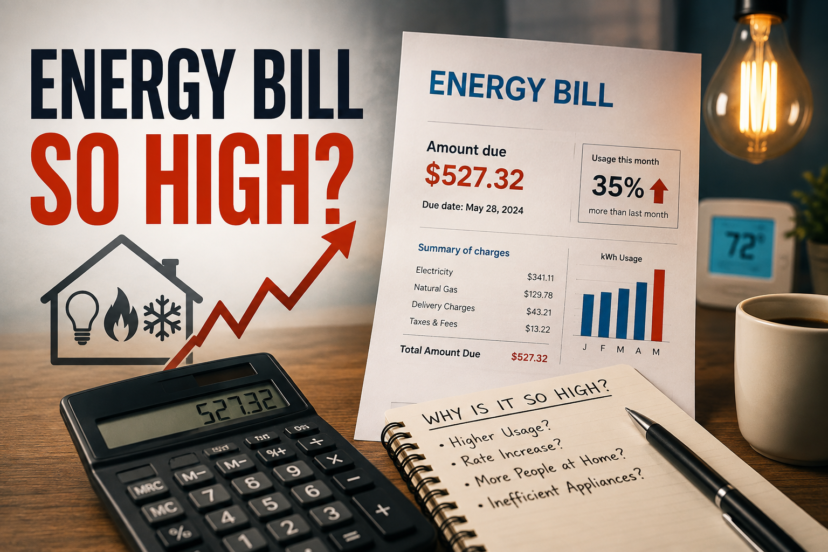
Have you opened your latest utility statement and wondered, why is my energy bill so high? You’re not alone. Rising energy costs are one of the biggest concerns for homeowners, especially during the hottest days of summer and the coldest months of winter. While utility rate increases can play a role, many unexpectedly high energy bills are caused by problems inside the home, such as an inefficient HVAC system, poor insulation, air leaks, aging appliances, or habits that waste electricity.
The good news is that you don’t have to guess what’s driving your bill higher. By understanding where your home uses the most energy, you can identify waste, improve efficiency, and often reduce monthly costs without sacrificing comfort. This guide explains the most common reasons your energy bill may have increased, how to confirm the cause, practical solutions, and long-term strategies to keep your utility costs under control.
⚡ Quick Answer: Why Is My Energy Bill So High?
If you’re asking, why is my energy bill so high, the most common causes include increased heating or cooling use, dirty HVAC filters, air leaks, poor insulation, inefficient appliances, water heater problems, phantom power usage, and utility rate increases. A combination of regular home maintenance and energy-saving upgrades can significantly reduce your monthly utility costs.
Key Takeaways
Most likely cause: Heating and cooling systems working harder because of dirty filters, poor insulation, or air leaks.
Usually serious? Usually not, but a sudden unexplained increase could indicate an appliance malfunction or HVAC issue.
First thing to check: Compare recent bills, inspect your HVAC filter, verify thermostat settings, and look for obvious air leaks around doors and windows.
Best solution: If you’re wondering why your energy bill is so high, start by improving your home’s energy efficiency through HVAC maintenance, sealing drafts, upgrading insulation, and reducing unnecessary electricity usage.
🔍 Why This Happens: How To Identify The Problem
Every home uses electricity differently depending on:
- Outdoor temperatures
- Home size
- Insulation quality
- Number of occupants
- Appliance efficiency
- Daily habits
According to the U.S. Department of Energy, heating and cooling typically account for the largest share of a home’s energy use. Even small inefficiencies can significantly increase monthly utility bills.
Begin by asking yourself:
- Did weather become unusually hot or cold?
- Has your HVAC system been running longer than normal?
- Did you recently purchase new appliances?
- Have electricity rates increased?
- Has your household grown or changed routines?
Answering these questions often helps narrow down the cause.
💥 Most Common Causes Of High Energy Bills
1. Heating And Cooling System Working Overtime
Your HVAC system is usually the biggest energy user in your home.
It may run longer because of:
- Dirty filters
- Aging equipment
- Poor insulation
- Air leaks
- Incorrect thermostat settings
How To Confirm The Cause
- HVAC runs almost continuously.
- Rooms struggle to reach the desired temperature.
- Utility bills increase during extreme weather.
2. Dirty HVAC Air Filter
A clogged filter restricts airflow, forcing your furnace or air conditioner to work much harder.
How To Confirm The Cause
- Filter appears gray or dusty.
- Weak airflow from vents.
- Higher heating or cooling costs.
Replace filters every 1–3 months.
3. Air Leaks Around Doors And Windows
Small gaps around windows, doors, and attic openings allow conditioned air to escape.
Your HVAC system must replace that lost air continuously.
How To Confirm The Cause
- Feel drafts near windows.
- Uneven temperatures.
- Cold or hot spots throughout the home.
4. Poor Insulation
Insulation slows heat transfer between your home and the outdoors.
Insufficient insulation allows valuable heating and cooling to escape.
How To Confirm The Cause
- Attic feels extremely hot in summer.
- Walls feel cold during winter.
- HVAC runs frequently.
5. Older Or Inefficient Appliances
Older appliances often consume significantly more electricity than newer ENERGY STAR® models.
Common energy users include:
- Refrigerators
- Freezers
- Clothes dryers
- Dishwashers
- Window air conditioners
How To Confirm The Cause
- Appliance is over 10–15 years old.
- Longer operating cycles.
- Increased electrical usage.
6. Water Heater Problems
Water heating is another major household energy expense.
Problems include:
- Sediment buildup
- Incorrect temperature setting
- Aging water heater
- Leaking hot water pipes
How To Confirm The Cause
- Running out of hot water.
- Strange noises.
- Water heater over 10 years old.
7. Phantom Energy Usage
Many electronics consume electricity even when turned off.
Examples include:
- TVs
- Gaming systems
- Chargers
- Coffee makers
- Computers
How To Confirm The Cause
- Numerous electronics remain plugged in continuously.
- Devices feel warm while not in use.
8. Utility Rate Increases
Sometimes your home’s energy use hasn’t changed at all.
Instead, electricity or natural gas rates have increased.
How To Confirm The Cause
- Compare recent bills.
- Review the cost per kilowatt-hour.
- Check notices from your utility company.
9. Faulty Or Aging HVAC Equipment
As HVAC systems age, efficiency declines.
Older units often require more electricity to produce the same level of comfort.
How To Confirm The Cause
- HVAC system over 15 years old.
- Frequent repairs.
- Loud operation.
- Uneven cooling or heating.
10. Thermostat Settings
Small thermostat adjustments can have a surprisingly large impact on energy usage.
How To Confirm The Cause
- Thermostat set unusually low in summer.
- Thermostat set unusually high in winter.
- Manual adjustments throughout the day.
11. Increased Household Usage
Sometimes higher bills simply reflect greater energy consumption.
Examples include:
- More people living in the home
- Working from home
- Electric vehicle charging
- Additional appliances
How To Confirm The Cause
- Household routines recently changed.
- More devices operating daily.
12. Hidden Electrical Problems
Occasionally, faulty wiring or malfunctioning appliances draw excessive electricity.
How To Confirm The Cause
- Breakers trip frequently.
- Burning odors.
- Unusually warm outlets.
- Sudden unexplained bill spikes.
These issues should be evaluated immediately.
🔎 How To Confirm The Cause
Before scheduling professional service, perform these simple checks:
- Compare current and previous utility bills.
- Replace HVAC filters.
- Inspect doors and windows for drafts.
- Review thermostat settings.
- Clean HVAC vents.
- Examine attic insulation.
- Monitor appliance usage.
- Unplug unused electronics.
- Check for unusually long HVAC run times.
These inspections often reveal obvious opportunities to save energy.
🛠️ How To Fix High Energy Bills
Reducing energy costs usually involves several improvements working together.
Helpful solutions include:
- Replace dirty HVAC filters.
- Seal air leaks with caulk and weatherstripping.
- Upgrade attic insulation.
- Schedule annual HVAC maintenance.
- Install a programmable or smart thermostat.
- Upgrade older appliances to ENERGY STAR® models.
- Lower the water heater temperature to about 120°F (49°C), if appropriate for your household.
- Use LED lighting.
- Turn off unused electronics.
- Consider a professional home energy audit.
Small improvements often add up to significant yearly savings.
👨🔧 When To Call A Professional
Contact a qualified technician if you notice:
- Extremely high bills with no clear explanation.
- HVAC running continuously.
- Frequent breaker trips.
- Burning smells.
- Poor heating or cooling performance.
- Water heater problems.
- Suspected electrical issues.
- Major insulation deficiencies.
A professional inspection can uncover hidden problems that are difficult to identify on your own.
✅ How To Prevent High Energy Bills
Preventive maintenance is the best way to keep utility costs under control.
Good habits include:
- Replace HVAC filters regularly.
- Schedule annual heating and cooling maintenance.
- Seal windows and doors.
- Add attic insulation when needed.
- Clean refrigerator coils.
- Use ceiling fans efficiently.
- Upgrade to energy-efficient appliances.
- Monitor monthly utility bills for unusual changes.
- Perform periodic home energy inspections.
These practices improve comfort while reducing long-term operating costs.
❓ Frequently Asked Questions
Why did my energy bill suddenly double?
A sudden increase may result from extreme weather, HVAC problems, faulty appliances, utility rate increases, or changes in household energy usage.
Does a dirty HVAC filter increase energy bills?
Yes. Restricted airflow forces heating and cooling equipment to run longer and consume more energy.
How can I lower my electric bill quickly?
Replace HVAC filters, adjust thermostat settings, seal drafts, unplug unused electronics, and reduce unnecessary appliance use.
Can poor insulation really increase energy costs?
Absolutely. Poor insulation allows conditioned air to escape, forcing your HVAC system to work much harder.
Is it worth getting a home energy audit?
Yes. Energy audits often identify hidden inefficiencies that can lead to meaningful savings over time.
What appliances use the most electricity?
Heating and cooling systems, water heaters, clothes dryers, refrigerators, and electric ovens are typically the largest household energy users.
When should I replace an old HVAC system?
If your system is 15–20 years old, requires frequent repairs, or has become noticeably inefficient, replacement may be more cost-effective than continued repairs.
🏠 Related Home Problems
If you’re concerned about high energy costs, you may also find these guides helpful:
- Why Is My House So Hot?
- Why Is My House So Cold?
- Why Are My Windows Drafty?
- Why Is My HVAC Blowing Warm Air?
- Why Does My House Feel Stuffy?
- How To Improve Indoor Air Quality
- Why Is My House So Humid?
🎯 Conclusion: Why Is My Energy Bill So High?
A high energy bill doesn’t always mean you’re using more electricity dramatically. In many cases, hidden inefficiencies—such as dirty HVAC filters, air leaks, poor insulation, or aging equipment—are quietly driving up your monthly costs. The good news is that many of these issues are straightforward to identify and fix.
Start with the simplest maintenance tasks, monitor your utility usage each month, and invest in energy-efficient upgrades when appropriate. Over time, these improvements can lower your energy bills, increase home comfort, and reduce wear on your heating and cooling systems.
Disclaimer: This article is intended for informational and educational purposes only and should not replace professional electrical, HVAC, or energy-efficiency advice. If you suspect faulty wiring, electrical hazards, gas-related issues, or malfunctioning equipment, contact a licensed professional for a proper inspection and repair.


Comments are closed.