
Why Is My House So Hot? 12 Common Causes And How To Fix Them
Have you ever walked into your home on a warm day and immediately wondered, why is my house so hot, even though the air conditioner is running? A house that constantly feels overheated can make everyday life uncomfortable, disrupt sleep, increase energy bills, and put unnecessary strain on your cooling system. While hot weather certainly plays a role, many homes remain warmer than they should because of hidden problems that reduce cooling efficiency.
Fortunately, most overheating issues have straightforward explanations. Poor insulation, inadequate attic ventilation, dirty HVAC filters, blocked vents, air leaks, aging air conditioners, and even direct sunlight through windows can all contribute to excessive indoor temperatures.
This guide explains why your home feels hotter than expected, how to identify the root cause, and practical solutions that can improve comfort while helping your cooling system work more efficiently.
🌡️ Quick Answer: Why Is My House So Hot?
If you’re asking why is my house so hot, the most common causes include poor attic insulation, inadequate attic ventilation, dirty HVAC filters, blocked air vents, air leaks, excessive sunlight, high indoor humidity, or an air conditioning system that’s struggling to cool your home. Improving airflow, reducing heat gain, and maintaining your HVAC system usually make a noticeable difference.
Key Takeaways
Most Likely Cause: Excess heat entering through the roof, windows, or poor insulation combined with reduced cooling efficiency.
Usually Serious? Usually not, but ongoing overheating may indicate HVAC problems, insulation deficiencies, or excessive attic heat that should be addressed.
First Thing To Check: Inspect your thermostat, HVAC filter, air vents, attic insulation, and whether your air conditioner is producing cold air.
Best Solution: If you’re wondering why is my house so hot, improve insulation, reduce solar heat gain, maintain your HVAC system, seal air leaks, and increase airflow throughout your home.
☀️ Why This Happens: How To Identify The Problem
A home becomes excessively hot when more heat enters than your cooling system can remove.
Heat constantly enters through:
- The roof
- Windows
- Exterior walls
- Air leaks
- Hot attics
- Warm outdoor air
At the same time, poor airflow or an underperforming air conditioner may prevent cooled air from circulating effectively.
Common signs include:
- Upstairs rooms much hotter than downstairs
- Air conditioner running constantly
- Warm ceilings
- Hot walls facing the afternoon sun
- High indoor humidity
- Uneven temperatures between rooms
- High electricity bills
- Poor sleep because bedrooms stay warm
Understanding where the heat originates helps you choose the most effective solution.
🔥 The 12 Most Common Causes Of A Hot House
1. Poor Attic Insulation
One of the leading causes of excessive indoor heat is insufficient attic insulation.
During summer, attic temperatures often exceed 130–150°F. Without enough insulation, that heat transfers directly into the living space.
Signs include:
- Hot upstairs rooms
- Warm ceilings
- High cooling costs
2. Inadequate Attic Ventilation
Even with insulation, trapped attic heat can radiate downward.
Proper attic ventilation removes superheated air before it enters the home.
Look for:
- Extremely hot attic air
- Little airflow near roof vents
- Excessive heat upstairs
3. Dirty HVAC Air Filter
A clogged filter restricts airflow, making it harder for cool air to circulate.
Common symptoms include:
- Weak airflow
- Longer cooling cycles
- Uneven room temperatures
Replace filters every 1–3 months.
4. Blocked Air Vents
Furniture, curtains, rugs, or closed dampers prevent conditioned air from reaching rooms.
Inspect every:
- Supply vent
- Return vent
- Register
5. Air Conditioner Needs Maintenance
An aging or neglected AC system gradually loses cooling performance.
Possible issues include:
- Dirty evaporator coils
- Dirty condenser coils
- Low refrigerant
- Failing blower motor
- Frozen evaporator coil
6. Air Leaks Around Windows And Doors
Hot outdoor air enters through small gaps while cooled indoor air escapes.
Common leak locations include:
- Window frames
- Door weatherstripping
- Utility penetrations
- Attic access hatches
7. Excessive Sunlight Through Windows
South- and west-facing windows often contribute significant solar heat gain.
Without window coverings, sunlight continuously warms:
- Floors
- Furniture
- Walls
- Indoor air
Solar shades, thermal curtains, or reflective window film can reduce this effect.
8. High Indoor Humidity
Humid air feels warmer than dry air.
Common moisture sources include:
- Long showers
- Cooking
- Laundry
- Crawl space moisture
- Poor ventilation
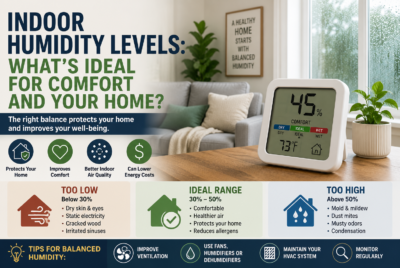
Ideal indoor humidity typically falls between 30% and 50%.
9. Poor Ductwork
Leaky or poorly insulated ducts may lose cooled air inside attics or crawl spaces before it reaches living areas.
Signs include:
- Weak airflow
- Uneven cooling
- Higher utility bills
10. Heat-Producing Appliances
Many household appliances generate heat.
Examples include:
- Ovens
- Clothes dryers
- Dishwashers
- Incandescent lighting
- Older electronics
Running these during cooler evening hours reduces indoor heat buildup.
11. Poor Air Circulation
Even a properly functioning air conditioner cannot cool efficiently if air isn’t moving throughout the home.
Helpful improvements include:
- Ceiling fans
- Portable fans
- Open interior doors
- Clear airflow paths
12. Undersized Or Aging Air Conditioner
If your air conditioner is too small or nearing the end of its lifespan, it may never fully cool your home during extreme heat.
Common signs include:
- Constant operation
- Indoor temperatures that never reach thermostat settings
- Rising energy bills
✅ How To Confirm The Cause
Begin with a simple inspection.
Check:
- HVAC filter
- Thermostat settings
- Air vent airflow
- Window drafts
- Attic temperature
- Attic insulation
- Indoor humidity
- Outdoor AC unit
Ask yourself:
- Is only one floor hot?
- Does the house heat up in the afternoon?
- Does the AC run constantly?
- Does the house cool down overnight?
These patterns often point directly to the underlying issue.
🛠️ How To Fix A Hot House
The best solution depends on the source of the excess heat.
Improve Attic Insulation
Adding insulation significantly reduces heat transfer from the attic.
Increase Attic Ventilation
Install or improve:
- Ridge vents
- Soffit vents
- Gable vents
- Powered attic ventilators (where appropriate)
Replace HVAC Filters
Clean filters improve airflow immediately.
Seal Air Leaks
Use:
- Caulk
- Weatherstripping
- Foam sealant
- Door sweeps
Reduce Solar Heat Gain
Install:
- Thermal curtains
- Cellular shades
- Reflective window film
- Exterior awnings where practical
Maintain Your Air Conditioner
Annual HVAC service helps ensure:
- Maximum cooling performance
- Better efficiency
- Longer equipment life
Improve Air Circulation
Use ceiling fans counterclockwise during summer to create a cooling breeze and distribute conditioned air more effectively.
👷 When To Call A Professional
Professional help is recommended if:
- The AC blows warm air
- Certain rooms never cool
- Refrigerant leaks are suspected
- Airflow remains weak
- Energy bills rise dramatically
- Ice forms on HVAC components
- Indoor humidity remains excessive
- The system runs constantly without cooling
An HVAC technician can diagnose refrigerant issues, airflow restrictions, duct leaks, or equipment failures.
🛡️ How To Prevent Your House From Getting Too Hot
Routine maintenance goes a long way toward keeping your home comfortable.
Helpful habits include:
- Replace HVAC filters every 1–3 months.
- Schedule annual AC maintenance.
- Seal window and door leaks.
- Add attic insulation when needed.
- Keep attic ventilation unobstructed.
- Use ceiling fans during summer.
- Close blinds during the hottest part of the day.
- Keep outdoor condenser units clean.
- Monitor indoor humidity.
- Avoid generating excess indoor heat during peak afternoon hours.
❓ Frequently Asked Questions
1. Why Is My Upstairs So Much Hotter Than Downstairs?
Heat naturally rises, and attic heat often affects upper floors more than lower levels. Poor insulation and inadequate airflow make the problem worse.
2. Can Poor Insulation Make My House Hot?
Yes. Insufficient insulation allows outdoor heat to transfer into your living space much more easily.
3. Why Does My AC Run Constantly?
Dirty filters, refrigerant problems, poor insulation, air leaks, or an undersized system may prevent your home from reaching the thermostat setting.
4. Will Ceiling Fans Actually Cool My House?
Ceiling fans don’t lower the air temperature, but they improve air circulation and make rooms feel cooler through increased air movement.
5. What Indoor Humidity Is Most Comfortable?
Most experts recommend maintaining indoor humidity between 30% and 50% for comfort and efficiency.
6. Should I Replace Old Windows?
If your windows are drafty, single-pane, or poorly insulated, upgrading to energy-efficient windows can significantly reduce heat gain.
7. Is A Home Energy Audit Worth It?
Yes. An energy audit can identify hidden insulation gaps, duct leaks, air leaks, and other issues that contribute to excessive indoor heat.
🏡 Related Home Problems
If your home feels too hot, you may also find these topics helpful:
- Why Is My House Hotter Upstairs?
- Why Does My House Feel Stuffy?
- Why Is One Room Hotter Than The Others?
- Why Is My House So Humid?
- How To Improve Indoor Air Quality
- Why Is My Garage So Hot?
- How To Improve Indoor Air Quality?
- Why Is My House So Cold?
Many of these problems are connected through insulation, airflow, ventilation, and HVAC performance.
🎯 Conclusion: Why Is My House So Hot?
A house that constantly feels too hot is usually a sign that heat is entering faster than your cooling system can remove it. Fortunately, many of the most common causes—such as poor insulation, dirty HVAC filters, blocked vents, air leaks, and inadequate attic ventilation—can be identified and corrected with practical improvements.
By maintaining your HVAC system, improving insulation, sealing drafts, reducing solar heat gain, and increasing airflow, you can enjoy a cooler, more comfortable home while lowering energy costs. If simple maintenance doesn’t solve the problem, a qualified HVAC technician or home energy specialist can help identify hidden issues and recommend long-term solutions.
Disclaimer
This article is intended for informational purposes only and should not replace professional HVAC, insulation, or building science advice. Every home is different, and overheating problems can have multiple causes. If your air conditioner is malfunctioning, refrigerant issues are suspected, or your home remains excessively hot despite routine maintenance, consult a qualified HVAC professional for a complete evaluation.



Comments are closed.